Partner James Edmondson, from our medical negligence and personal injury team, explains why we’re continuing to support World Encephalitis Day, and the work we do to help individuals and families who have been affected by delays or misdiagnosis in encephalitis cases.
World Encephalitis Day
Encephalitis International’s global campaign on Sunday 22 February 2026 continues to improve awareness about encephalitis, help to speed up diagnosis and, ultimately, save lives. With 77% of people having never heard of encephalitis, the campaign this year focusses on F.L.A.M.E.S – a lifesaving acronym that reflects the urgent neurological signs that the public should be aware of to help recognise the signs of encephalitis and to understand the long-term impact it can have on individuals and families.
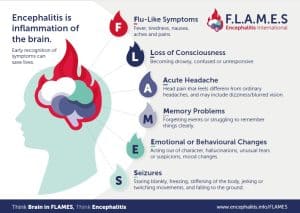
What is encephalitis?
Encephalitis is caused by an infection or an inappropriate response from the immune system, which leads to an inflammation of the brain. Each year, there are around 6,0 00 cases in the UK, affecting people of all ages.
Clarke Willmott is a corporate supporter of Encephalitis International, which helps raise public awareness, supports those affected, and funds scientific research into the condition. The firm’s medical negligence team is a specialist in this area and supports patients and their families where it can be shown medical treatment has been unacceptable.
Effects of encephalitis
James Edmondson, partner in the personal injury and clinical negligence team at Clarke Willmott, said: “Encephalitis can affect anyone of any age, and its effects can be devastating.”
It can cause long-term complications such as memory loss, epilepsy, behavioural and personality changes, or irreversible brain damage, so recognising the symptoms and getting medical care early is crucial.
Unfortunately, misdiagnosis of encephalitis is all too common due to the difficult nature of diagnosis. Misdiagnosis can be particularly dangerous as it can cause delays in treatment, potentially leading to permanent brain damage and even death.
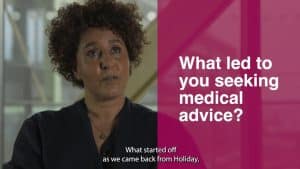
In 2024, James had the opportunity to sit down with Joanne, a former client, to share the story of her daughter Allana, who tragically lost her life due to a misdiagnosis of encephalitis. James played a key role in helping to obtain answers for Joanne and her family after Allana’s passing.
Joanne and her family hope by sharing Allana’s story, there will be a greater understanding of the disease and the cognitive changes that may occur. Click the thumbnail to watch the full video on YouTube.
Go #Red4WED
On 22 February, show your support by wearing something red – that could be a pair of socks, a tie, a hat or even one of the charity’s official Encephalitis Day t-shirts. Share your photos on social media using #Red4Wed, so that the society can repost it on its official website. Visit our Facebook page to see our team going #Red4WED.
Speak to an expert
It is important to seek legal advice if you are contemplating a medical negligence claim for encephalitis. To speak with a member of the team, call us now on 0800 316 8892 or contact us online.
Posted: