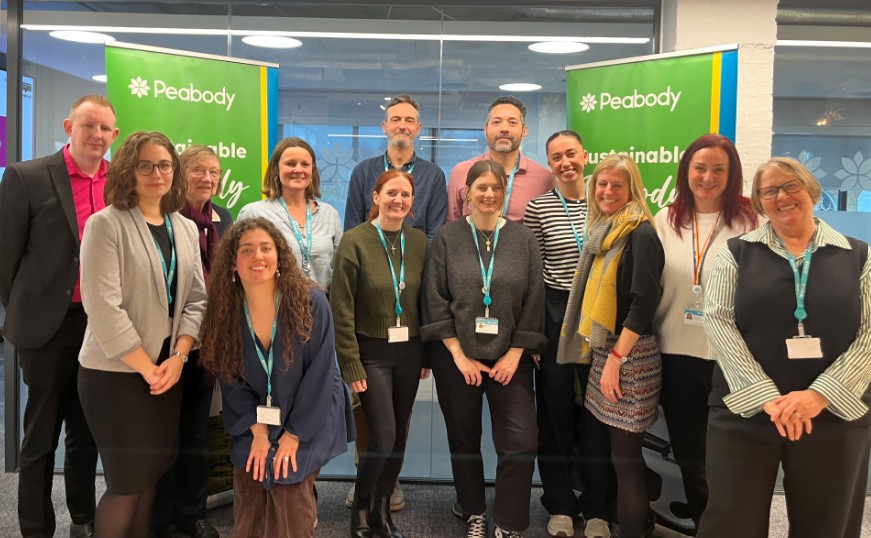
On 27 January, Clarke Willmott delivered Carbon Literacy training to colleagues from Peabody, one of our largest social housing clients. The session was practical, engaging and focused on building a shared understanding of climate change and, crucially, what individuals and organisations can do about it.
Climate change is already a significant issue for the social housing sector. From the long‑term resilience of homes to the health and wellbeing of residents and communities, the impacts are being felt now. The training gave participants the space to explore these challenges and identify realistic actions they can take within their own roles to help reduce carbon and support positive change.
This work closely reflects Clarke Willmott’s own net zero commitments. We have a science based target to achieve net zero by 2040, verified by the Science Based Targets initiative, and we know that reaching this goal is about more than targets and reporting. It requires building knowledge, confidence and capability across our organisation and embedding sustainability into everyday decision making.
Working with Peabody in this way also demonstrates how we seek to add social value alongside our legal services. By sharing learning and working collaboratively, we can support clients to strengthen internal capability and build momentum for climate action, while remaining grounded in the practical realities they face.
For us, this is about partnership. Working collaboratively with clients on issues that matter such as climate change, reflects our values as a firm and our commitment to taking a long‑term, responsible approach to the challenges ahead.